

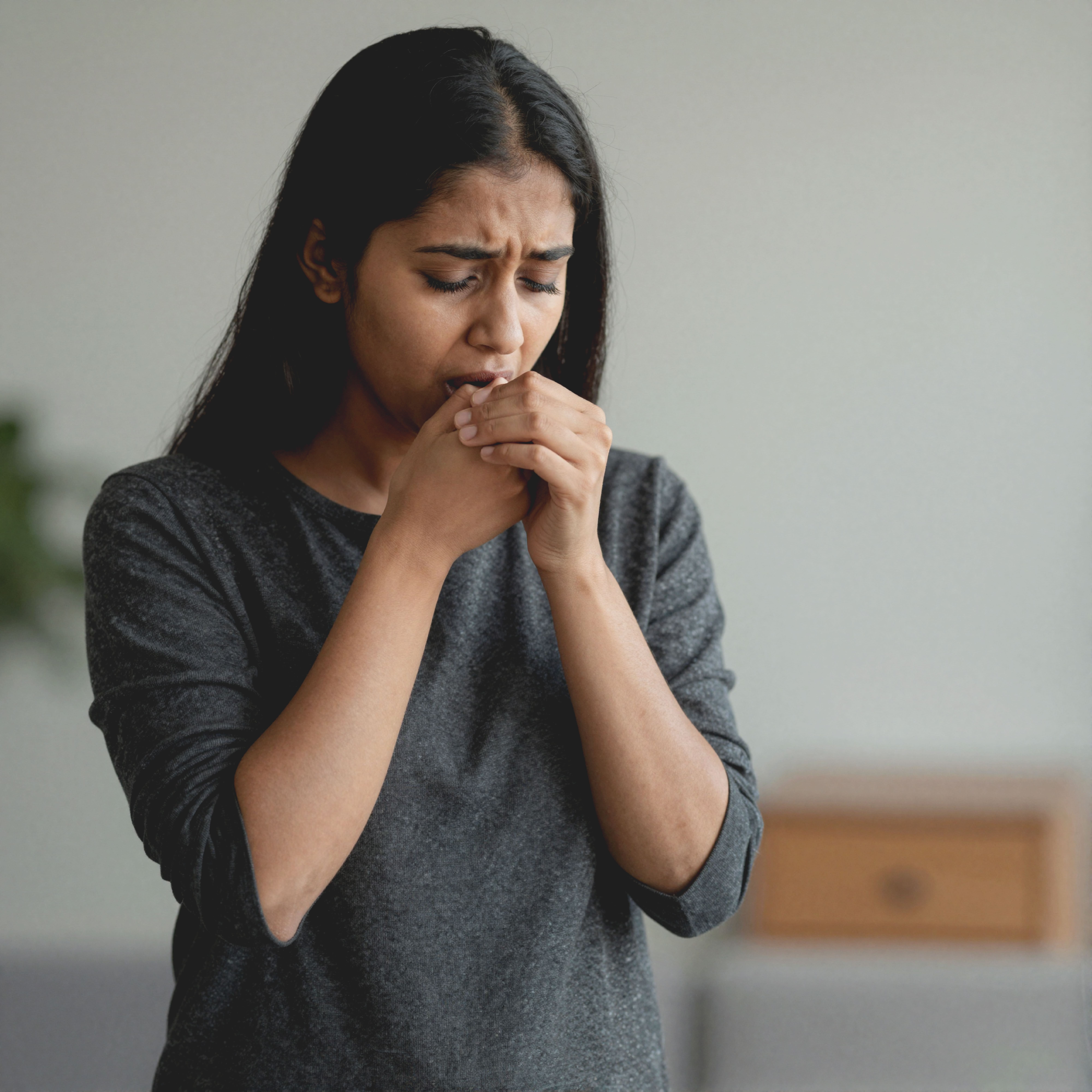
Breathing comfortably is essential for maintaining your energy, sleep, and overall quality of life. However, conditions such as asthma, allergies, sinusitis, bronchitis, recurrent cough, and other respiratory problems can make everyday activities difficult. Recurring respiratory symptoms may also affect sleep, concentration, physical activity, and overall well-being.
At Deep Homeopathy & Psychology Clinic, we provide personalized care for Respiratory Issues, with an emphasis on understanding your individual symptoms, triggers, lifestyle, and overall health. Our approach includes homeopathic consultation, supportive lifestyle guidance, and psychological support when stress or emotional factors are associated with symptom patterns.
Our clinic currently provides care for respiratory concerns including asthma, allergies, bronchitis, rhinitis, sinus-related complaints, and recurring respiratory symptoms.
Respiratory Issues refer to problems affecting the airways, lungs, or other parts of the respiratory system involved in breathing. They can be short-term, such as an acute respiratory infection, or long-lasting, such as asthma or chronic obstructive pulmonary disease (COPD).
Common respiratory symptoms include coughing, wheezing, breathlessness, chest tightness, nasal congestion, sneezing, mucus production, and difficulty breathing.
The cause of respiratory symptoms can vary considerably. Allergens, infections, air pollution, smoke exposure, occupational irritants, weather changes, and certain underlying health conditions can all contribute to respiratory problems.

Asthma is a chronic condition involving inflammation and narrowing of the airways. Common symptoms include wheezing, coughing, shortness of breath, and chest tightness. Symptoms can vary from person to person and may be triggered by allergens, respiratory infections, exercise, smoke, or environmental irritants.
Allergic rhinitis can cause sneezing, runny or blocked nose, nasal itching, and watery eyes after exposure to allergens such as pollen, dust mites, or animal dander.
Sinusitis involves inflammation of the tissues lining the sinuses and may cause nasal congestion, facial pressure, headache, postnasal drainage, and changes in smell.
Bronchitis involves inflammation of the bronchial tubes and commonly causes coughing, sometimes with mucus. Acute bronchitis is generally short-term, while chronic bronchitis is associated with persistent or recurring respiratory symptoms.
A cough that repeatedly returns can have several possible causes, including allergies, asthma, infections, postnasal drainage, environmental irritants, or other medical conditions. Persistent or unexplained cough should be medically evaluated.
Chronic obstructive pulmonary disease (COPD) is a group of chronic lung conditions that can cause persistent cough, wheezing, fatigue, chest tightness, and shortness of breath. Smoking and long-term exposure to air pollution or occupational irritants are important risk factors.
Respiratory problems can present differently depending on the underlying cause. Some common symptoms include:


Respiratory conditions can have multiple contributing factors.
Exposure to pollen, dust mites, mould, animal dander, and other allergens may trigger respiratory and nasal symptoms.
Pollutants and particulate matter can irritate the airways and may aggravate existing respiratory conditions.
Tobacco smoke can damage the respiratory system and increase the risk or severity of several respiratory diseases.
Viral and bacterial infections can cause temporary respiratory symptoms such as coughing, congestion, fever, and difficulty breathing.
Dust, chemical fumes, workplace substances, strong fragrances, and other irritants may trigger symptoms in sensitive individuals.
Some people notice worsening respiratory symptoms during seasonal or weather changes.
Certain respiratory and allergic conditions may be more common among individuals with a family history of related conditions.
Healthline also identifies smoking, air pollution, secondhand smoke, occupational exposures, and other environmental substances among important respiratory disease risk factors.
At Deep Homeopathy & Psychology Clinic, we take a personalized approach to respiratory care. Rather than treating every patient in exactly the same way, we consider the individual's symptoms, triggers, medical history, lifestyle, and overall health.
Our clinic describes its homeopathic care as personalized and focused on individual health concerns.
The first step is understanding your respiratory concerns in detail. We discuss:
This helps us understand your overall health picture and determine appropriate next steps.
Homeopathic consultation may be considered as part of an individualized care plan for selected chronic or recurring complaints.
Our clinic provides homeopathic care for respiratory conditions including asthma and allergic complaints.
Homeopathy should not replace prescribed asthma medication, antibiotics when medically indicated, oxygen therapy, or emergency treatment. Any existing respiratory medication should be continued or changed only under appropriate medical guidance.
Managing exposure to known triggers can be an important part of respiratory health. Depending on the individual's condition, we may discuss:

Stress and anxiety can influence how individuals perceive and respond to physical symptoms, and respiratory symptoms themselves can sometimes create fear or anxiety.
Because Deep Homeopathy & Psychology Clinic combines homeopathy and psychology, psychological support can be incorporated when emotional factors are relevant to a patient's overall well-being. The clinic offers evidence-based psychological therapies and counseling for anxiety, stress, trauma, and related concerns.
Children can experience respiratory concerns such as recurrent cough, allergies, allergic rhinitis, asthma, and frequent respiratory infections.
Parents should pay attention to:
Our clinic also provides pediatric care as part of its broader homeopathic services.

You should seek professional medical evaluation if you experience:
Seek immediate emergency medical attention if there is:
We consider each individual's symptoms, health history, lifestyle, and emotional well-being when planning care.
Our clinic combines homeopathy and psychology, supporting both physical and emotional aspects of health where appropriate.
The clinic is led by Dr. Poonam Solanki, who has qualifications in B.H.M.S. and Psychology and more than 15 years of clinical experience according to the clinic's website.
Our approach emphasizes listening carefully to individual concerns and developing personalized treatment plans.
Deep Homeopathy & Psychology Clinic offers in-clinic as well as online consultations for patients in India and internationally.
Appropriate assessment and ongoing management can help individuals:
The goal is not simply to manage an individual symptom but to understand the factors contributing to recurring respiratory concerns and support overall well-being.

 Chronic
Skin Disorders
Chronic
Skin Disorders