

Homeopathy is a medical science introduced by a German scientist, Dr. Samuel Hahnemann, MD, in 1796. It has been in use all over Europe, the US, Australia, most parts of Asia, the Middle and Far East, and India. According to the World Health Organization (WHO), homeopathy is the most practiced Alternative System of Medicine in the world today.
Homeopathy works effectively, especially for chronic and recurring diseases. It is also effective in acute diseases, though it may not be the most suitable option for critical conditions.
Homeopathy is strongly recommended for chronic and reducing diseases such as auto-immune diseases, skin conditions, allergies, various forms of arthritis, asthma, metabolic diseases, psychosomatic illnesses, psychiatric disorders, hormonal issues, cancers, and many more.
Homeopathy is not suggested for critical conditions such as severe infections, critical heart and brain diseases, or emergency situations caused by accidents or trauma.
Homeopathy stands out from other treatment systems by addressing diseases at their root cause. It treats the individual as a whole by considering multiple factors such as genetic, immunological, metabolic, hormonal, emotional, and environmental causes. This holistic approach focuses on total well-being rather than isolated symptoms.
Homeopathic medicines are prepared using sophisticated techniques. Rather than relying on harsh chemicals, the medicines are attenuated and potentized — often existing in the form of nanoparticles — allowing deep-level healing without toxicity.
Homeopathic medicines are safe and free from adverse side effects. They are suitable for all age groups, including newborns, pregnant women, and the elderly.
By not choosing homeopathy, one may miss its specific advantages for conditions like childhood asthma, allergic rhinitis, and migraines. In such cases, reliance on conventional chemical-based medicines such as painkillers and anti-allergics may provide temporary relief but often come with unwanted side effects.
As an informed citizen, understanding the strengths of homeopathy helps in making better healthcare decisions and utilizing this safe and effective system appropriately.

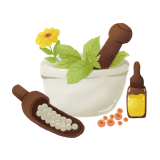
Extracted from herbs, flowers, roots, and barks. Common examples include Belladonna, Nux Vomica, and Arnica.
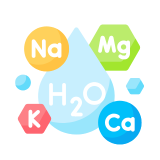
Derived from natural elements and compounds like Sulphur, Phosphorus, and Calcarea.
Sourced from animal substances like Apis Mellifica (honeybee) and Lachesis (snake venom).

Includes man-made substances like acids and alcohols that are potentized for therapeutic use.

Prepared from diseased tissues or pathogens, like Tuberculinum and Psorinum, to boost immune response.
Homeopathy is just placebo and doesn’t work.
Homeopathy has shown effectiveness in many chronic cases and has a scientific basis in individualized treatment.
Homeopathy is slow and takes years to show results.
Results vary by individual, but many acute cases respond quickly within hours or days.
 Chronic
Skin Disorders
Chronic
Skin Disorders