

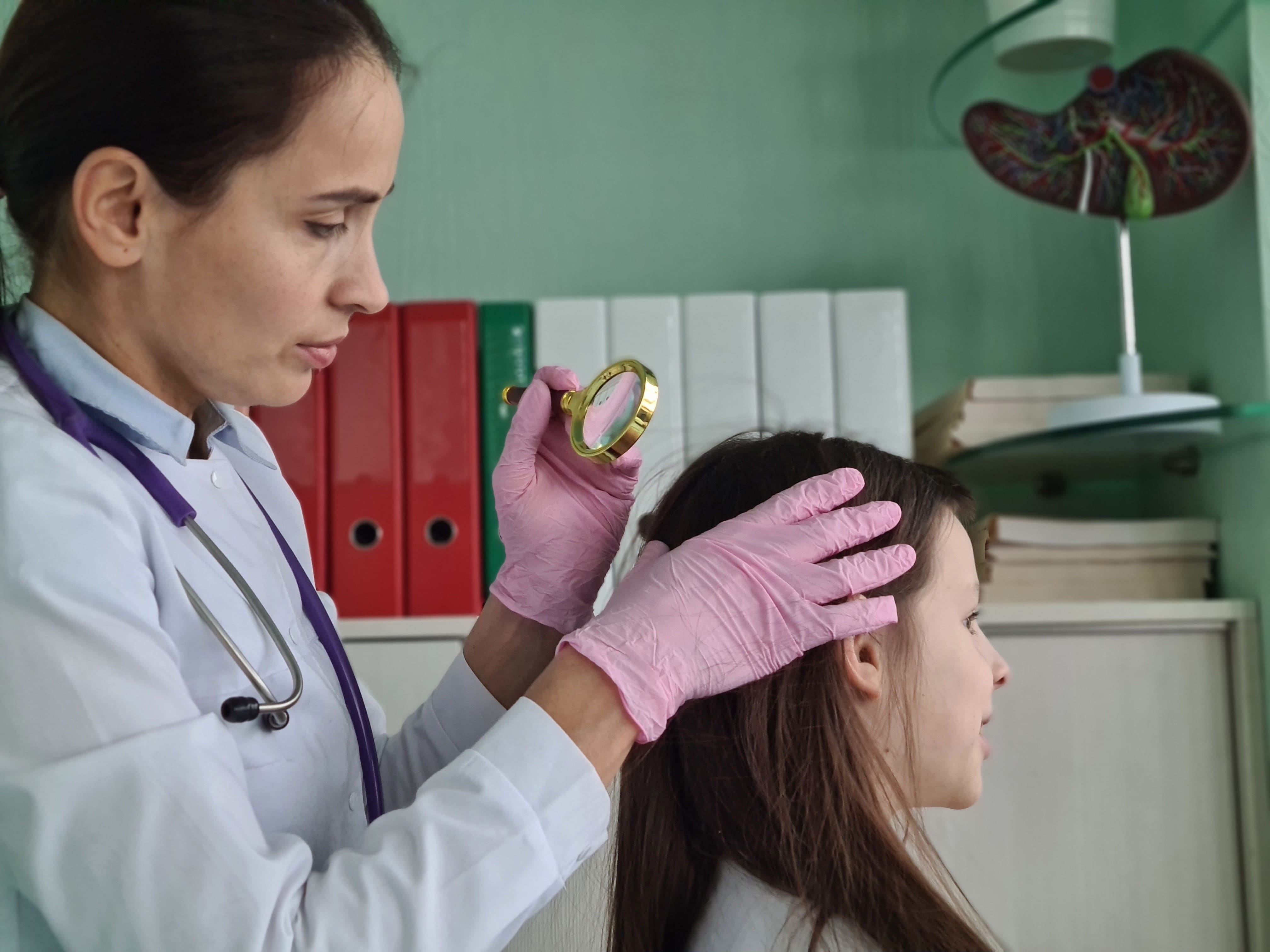
Healthy hair begins with a healthy scalp. Hair fall, dandruff, scalp itching, dryness, premature greying, thinning hair, and recurring scalp problems can affect not only your appearance but also your confidence and emotional well-being. These concerns may have several contributing factors, including genetics, hormonal changes, nutritional deficiencies, stress, lifestyle factors, infections, inflammation, or underlying health conditions.
At Deep Homeopathy & Psychology Clinic, we provide personalized care for Hair & Scalp Issues, focusing on understanding the individual factors associated with your symptoms. Our approach combines detailed case assessment with individualized homeopathic care and lifestyle guidance, where appropriate.
Whether you are experiencing excessive hair fall, dandruff, an itchy scalp, premature greying, or ongoing scalp discomfort, understanding the underlying cause is an important first step toward appropriate care.
Hair & Scalp Issues include a wide range of concerns affecting the scalp, hair follicles, and hair growth cycle. Some problems may be temporary, while others can become persistent or recurrent.
Common concerns include:
Different conditions can produce similar symptoms. For example, scalp flaking may occur with dandruff, seborrheic dermatitis, psoriasis, eczema, or product-related irritation. Similarly, hair loss can have different causes, including hereditary factors, autoimmune conditions, hormonal changes, nutritional issues, and other health concerns.
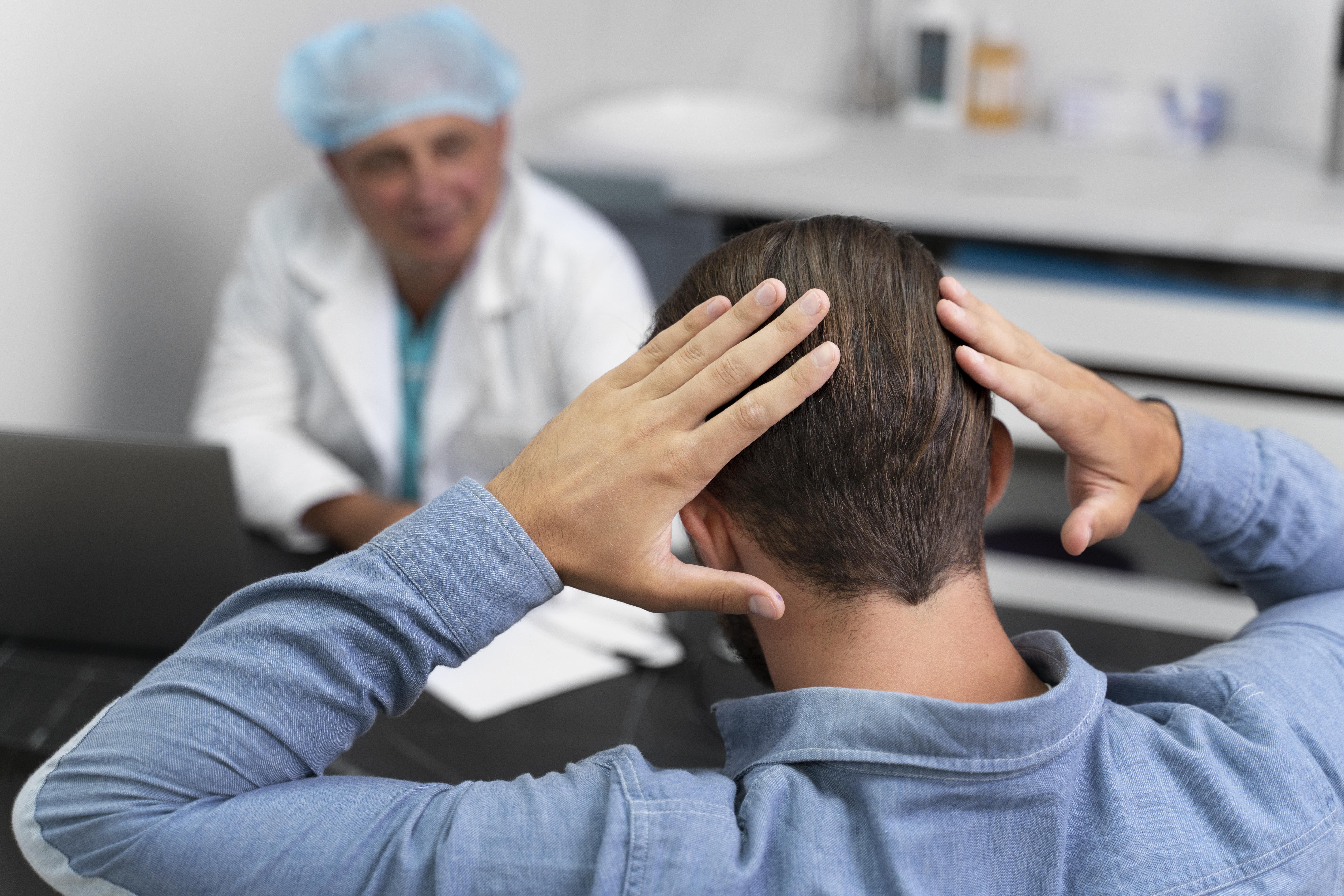
Hair shedding is normal to some extent, but noticeable or persistent hair loss may require evaluation. You may notice increased hair on your pillow, comb, shower drain, or clothing, or gradual thinning around particular areas of the scalp. Hair loss can have many causes, so identifying the pattern and associated symptoms is important before deciding on treatment.
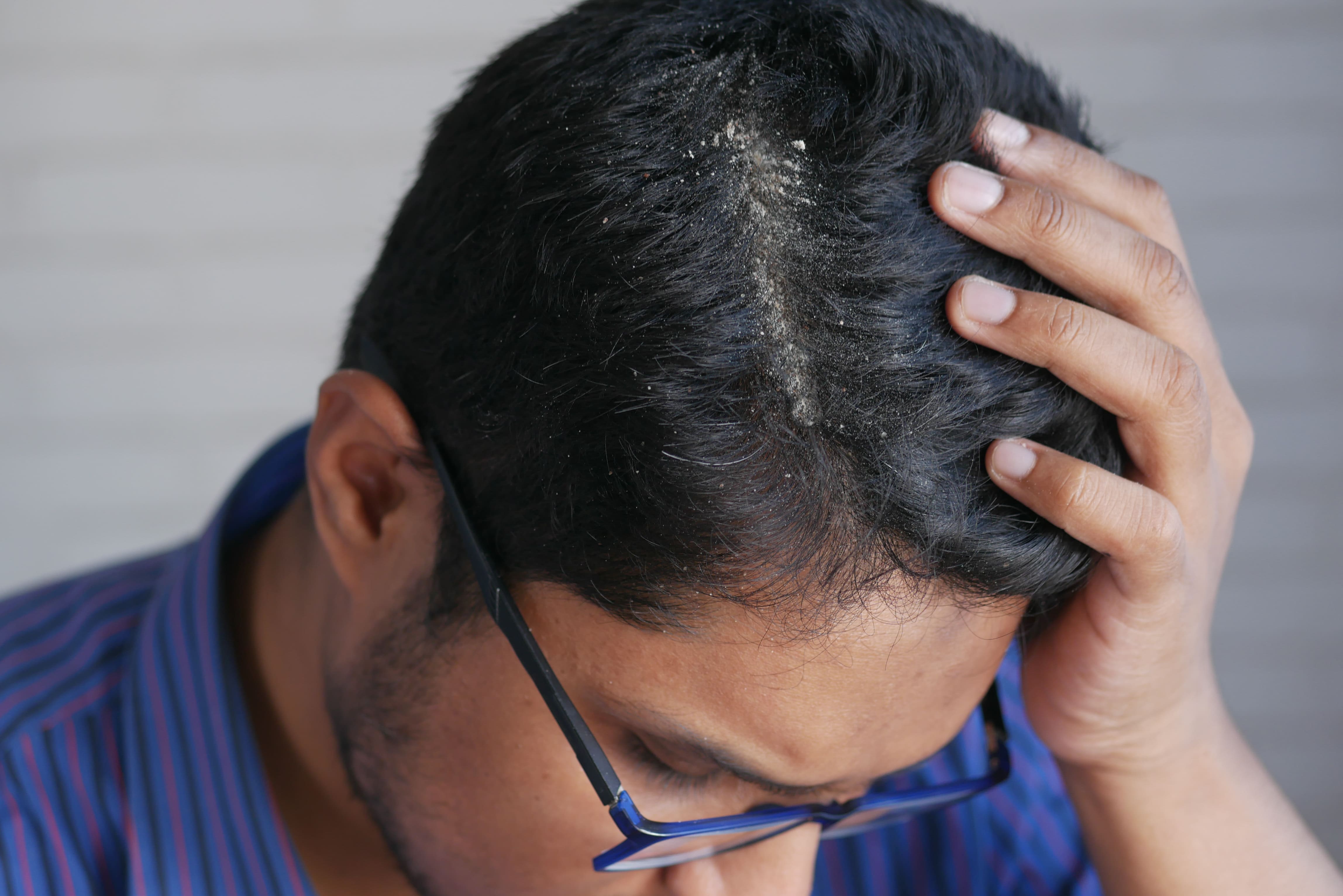
Dandruff commonly causes visible flakes and scalp irritation. However, persistent scaling should not automatically be assumed to be ordinary dandruff because conditions such as seborrheic dermatitis, psoriasis, eczema, and scalp buildup can have similar appearances.
Scalp itching may occur because of dandruff, dermatitis, allergies, infections, inflammation, or other scalp conditions. Persistent itching, particularly when accompanied by redness, scaling, sores, or hair loss, deserves professional assessment.
Greying earlier than expected can be influenced by genetics and other individual factors. Although grey hair cannot always be prevented, an appropriate health assessment can help identify potentially relevant nutritional, hormonal, lifestyle, or other factors.
A dry scalp may cause tightness, flaking, itching, and irritation. Hair-care products, environmental conditions, frequent washing, and certain skin conditions can contribute to scalp dryness.
Sudden patches of hair loss can occur with conditions such as alopecia areata. Alopecia areata is an autoimmune condition in which the immune system attacks hair follicles, resulting in patchy hair loss.
Inflammatory scalp conditions may cause redness, scaling, itching, burning, or discomfort. Psoriasis, for example, can produce sharply defined, scaly patches on the scalp.
Lichen planopilaris is an inflammatory scalp condition that can cause scaling, redness, burning, bumps, and patches of hair loss. Because inflammation can damage hair follicles and potentially result in scarring, persistent or rapidly progressing symptoms should be evaluated by an appropriate medical professional.
Depending on the underlying cause, you may experience:


Hair and scalp concerns can develop due to one or several contributing factors.
Some types of hair loss have a strong hereditary component. Your family history can therefore be an important part of understanding a hair-loss pattern.
Hormonal fluctuations may influence the hair-growth cycle. Changes associated with thyroid disorders, reproductive hormones, pregnancy, menopause, or other conditions can sometimes be associated with changes in hair growth.
Prolonged stress can affect overall well-being and may contribute to changes in the hair-growth cycle. Stress can also influence habits such as sleep, nutrition, and hair care. At Deep Homeopathy & Psychology Clinic, the connection between physical and emotional well-being is considered as part of our holistic approach.
Inadequate nutrition or certain nutritional deficiencies may contribute to hair problems in some individuals. Appropriate medical evaluation can help determine whether nutritional factors are relevant.
Certain infections can affect the scalp and hair. Tinea capitis, for example, is a fungal infection of the scalp that can cause itchy, flaky areas and hair loss.
Conditions such as psoriasis, eczema, seborrheic dermatitis, folliculitis, and other inflammatory disorders can affect the scalp.
Frequent chemical treatments, excessive heat, tight hairstyles, harsh products, and repeated mechanical stress may contribute to hair breakage or scalp irritation.
Consider getting your hair or scalp problem assessed if you experience:
At Deep Homeopathy & Psychology Clinic, we believe that every person's health history is different. Rather than assuming that the same approach is appropriate for everyone, we focus on understanding your individual symptoms, health history, lifestyle, and contributing factors.
We begin by understanding your primary hair or scalp concern, when it started, how it has progressed, associated symptoms, previous treatments, lifestyle factors, and relevant health history.
Homeopathic treatment is individualized according to the person's overall case and presenting symptoms. Treatment decisions are made after understanding the patient's specific concerns rather than relying only on the name of a condition.
Appropriate lifestyle and hair-care guidance can complement your treatment plan. This may include discussion of nutrition, sleep, stress management, scalp hygiene, and habits that may be contributing to irritation or hair breakage.
For individuals whose hair or scalp concerns occur alongside significant stress, anxiety, or emotional difficulties, psychological support may also be considered. Our clinic combines Homeopathy and Psychology as part of a holistic, patient-centered approach to physical and emotional well-being.
Our Hair & Scalp Issues service may include concerns such as:
The appropriate course of care depends on the underlying cause and severity of the problem.
Seeking professional guidance early can help you:
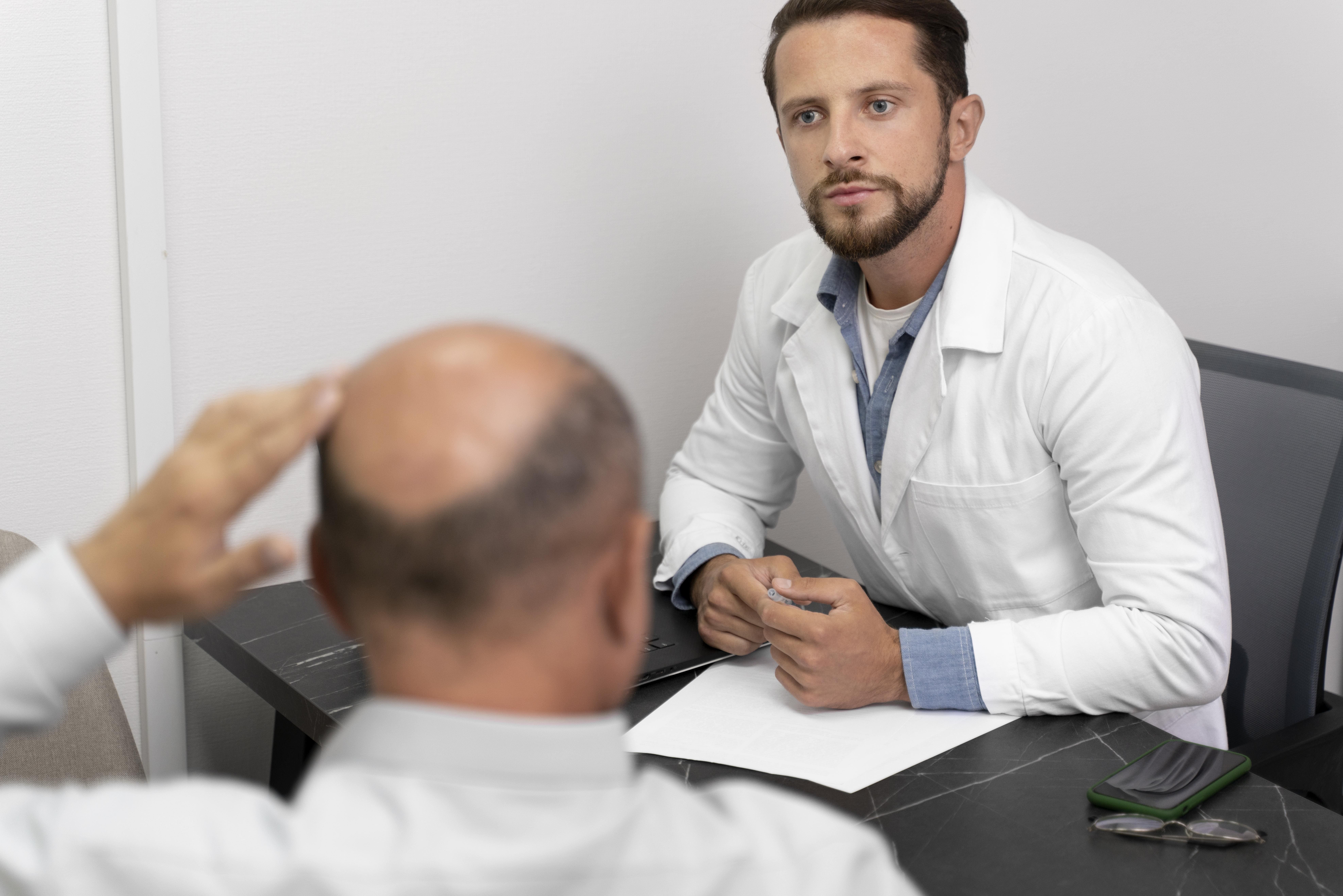
Your treatment plan is based on your individual symptoms, history, and health needs.
We consider physical health, lifestyle, and emotional well-being rather than focusing only on an isolated symptom.
Dr. Poonam Solanki, B.H.M.S., M.A. Psychology, PGDCD and DHNE, combines homeopathy and psychology in her patient-centered practice and has more than 15 years of clinical experience.
Our clinic provides both homeopathic care and psychological support, allowing patients to discuss physical and emotional concerns within an integrated care setting.
Deep Homeopathy & Psychology Clinic provides in-clinic and online consultations, making care accessible to patients in India and internationally.
Persistent hair fall, dandruff, scalp itching, or premature greying can be frustrating—but understanding the possible causes is an important first step.
At Deep Homeopathy & Psychology Clinic, we provide personalized care for Hair & Scalp Issues, with an approach that considers your individual health history, lifestyle, and emotional well-being.
If your hair or scalp concerns are persistent or affecting your confidence, book a consultation with Deep Homeopathy & Psychology Clinic to discuss your symptoms and explore an individualized care plan.
Book Appointment
 Chronic
Skin Disorders
Chronic
Skin Disorders